
The federal government has earmarked the sum of N1.2 trillion to service the loans it obtained from the Central Bank of Nigeria (CBN) through the ways and means advances in 2023.
Ways and means advances is a loan facility used by CBN to finance the government in periods of temporary budget shortfalls subject to limits imposed by law.
The national assembly, on December 28, approved the sum of N21.83 trillion as the budget for the 2023 fiscal year.
A breakdown of the budget showed that the federal government allocated approximately N3.3 trillion to service domestic debts, N1.81 trillion for foreign debts and N1.2 trillion for ways and means advances.
This was the first time that the federal government was making a budgetary allocation for ways and means.
The federal government paid interests of N4.12 trillion between 2019 and 2022 on its borrowings from CBN.
According to section 38 of the CBN act, 2007, the apex bank may grant temporary advances to the federal government with regard to temporary deficiency of budget revenue at such rate of interest as the bank may determine.
The Act partly reads, “The total amount of such advances outstanding shall not at any time exceed five percent of the previous year’s actual revenue of the federal government.
“All advances shall be repaid as soon as possible and shall, in any event, be repayable by the end of the federal government financial year in which they are granted and if such advances remain unpaid at the end of the year, the power of the bank to grant such further advances in any subsequent year shall not be exercisable, unless the outstanding advances have been repaid.”
However, the apex bank, on its website, said that the federal government’s borrowing from it through the ways and means advances could have adverse effects on the bank’s monetary policy to the detriment of domestic prices and exchange rates.
The CBN stated that, “The direct consequence of the financing of deficits are distortions or surges in the monetary base leading to adverse effects on domestic prices and exchange rates i.e macroeconomic instability because of excess liquidity that has been injected into the economy.”
The World Bank, in November 2021, warned the federal government against financing deficits by borrowing from the CBN through the ways and means advances, adding that this will put fiscal pressures on the country’s expenditures.
According to the bank, the CBN financing and fuel subsidy will adversely affect investments in human and physical capital, The Punch reports.
It said that the federal government had always under-budgeted for debt service as the government failed to consider the cost of ways and means financing in its debt service allocation.
A global credit rating agency, Fitch Ratings, in January 2021, raised concerns over the federal government’s repeated recourse to its ways and means facility with CBN.
Despite warnings from experts and organisations, the federal government has continued to borrow from CBN to fund budget deficits.
The World Bank projected that interest payments on the federal government’s borrowing from CBN would gulp about 62 percent of government revenue by 2027 despite the restructuring plan.
The Washington-based bank noted this in its December 2022 edition of the Nigeria Development Update.
Recall that the federal government borrowed N6.31 trillion from the CBN through ways and means advances in last 10 months.
This pushed the federal government’s borrowing from the apex bank from N17.46 trillion in December 2021 to N23.77 trillion in October 2022.
The N23.77 trillion owed to the apex bank by the federal government is not part of the country’s total public debt stock, which stood at N44.06tn in the third quarter of 2022, according to the Debt Management Office (DMO).
The public debt stock only includes the debts federal government, the 36 state governments, and the Federal Capital Territory (FCT).
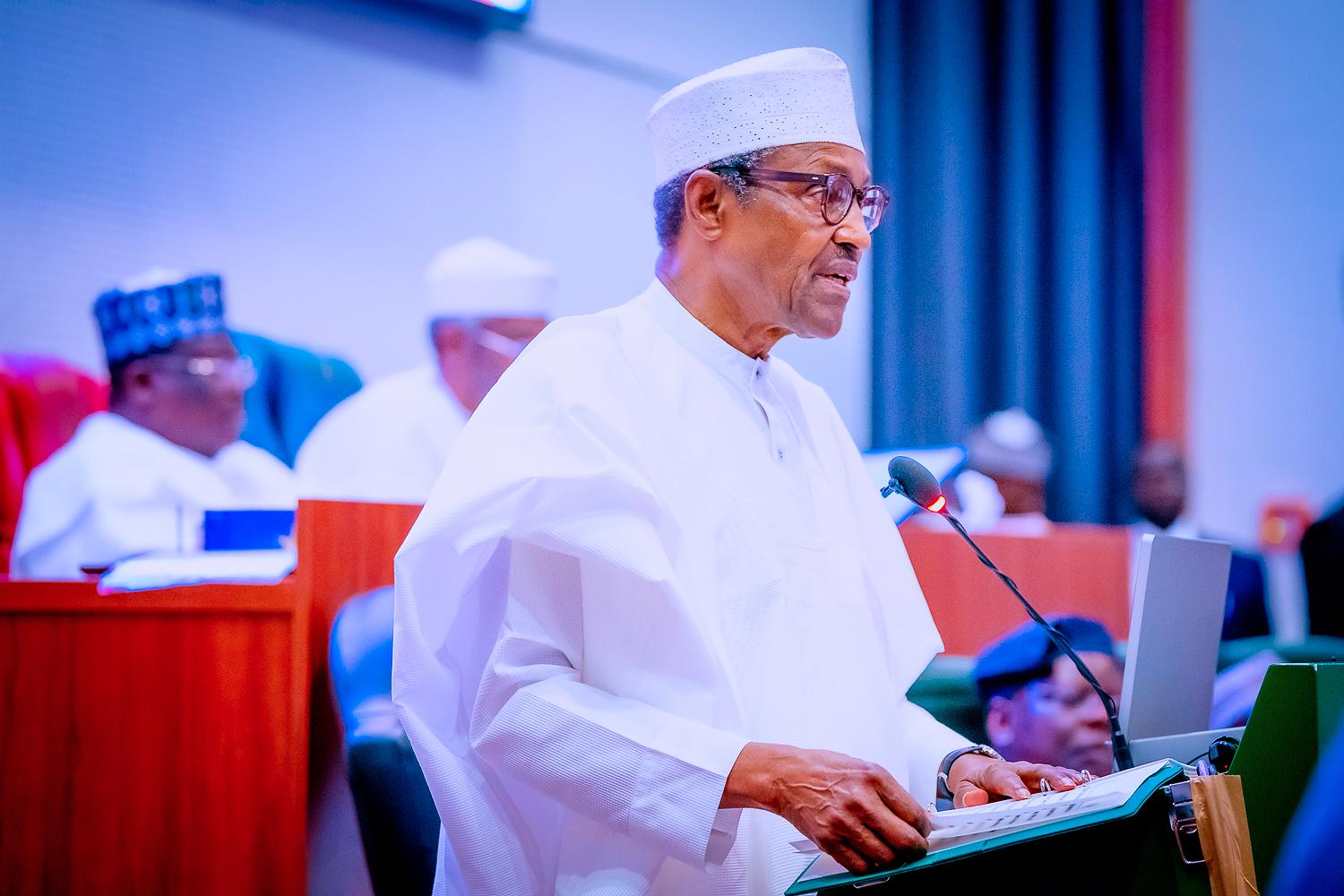
Meanwhile, President Muhammadu Buhari recently transmitted to the national assembly, a request for approval of ways and means advances restructuring to the tune of N23.7 trillion.
However, the senate rejected the request by the president to restructure the N23.7 trillion ways and means advances.
Buhari however warned that the nation would pay N1.8 trillion extra interest in 2023 if the national assembly rejected a loan-to-bond swap request on the apex bank’s overdrafts to the government.


Comments