
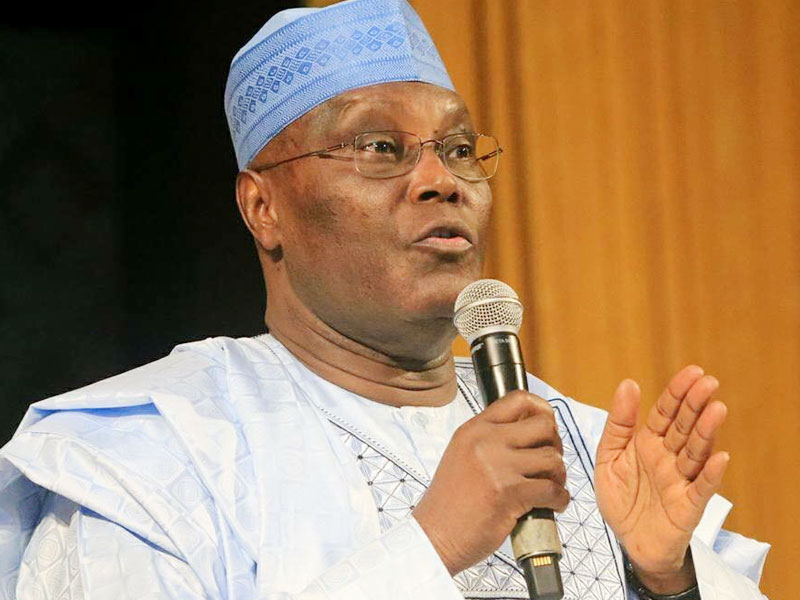
Former vice president and presidential candidate of the African Democratic Congress (ADC), Atiku Abubakar, on Tuesday, June 2, proposed a regional system of government as a solution to insecurity and underdevelopment in Nigeria.
For many years, Atiku has been one of the most vocal advocates of restructuring Nigeria.
In a statement, Atiku said that many of the country’s challenges, including insecurity, economic stagnation, and weak governance, stem from an overly centralised system that concentrates excessive power at the federal level.
At the core of his vision is a return to a stronger regional structure.
Rather than the current arrangement in which the 36 states serve as the primary federating units, Atiku proposed that Nigeria’s six geopolitical zones become the main regions of governance, while the existing states function as provinces within those regions.
Atiku added that such a system would promote efficiency, encourage healthy competition among regions, and enable each part of the country to develop according to its unique strengths and resources.
More importantly, he argued that it would bring government closer to the people and make leaders more accountable to those they serve.
One of the key issues driving this proposal is insecurity.
Across Nigeria, communities continue to grapple with banditry, kidnapping, terrorism, and other violent crimes.
Atiku stated that the country’s centralised security structure has struggled to respond effectively to these challenges because local authorities often lack the constitutional powers needed to act swiftly.
To address this, he consistently advocated for the establishment of state or regional police forces that would operate alongside federal security agencies.
He argued that local security outfits would have a better understanding of their communities, languages, and terrain, enabling them to gather intelligence more effectively and respond more quickly to emerging threats.
Atiku’s restructuring agenda also placed strong emphasis on economic independence and fiscal responsibility.
He stated that the current system, under which many states rely heavily on monthly allocations from the federal government, discourages productivity and innovation.
Under a regional arrangement, Atiku said that regions would have greater control over their natural and economic resources, enabling them to generate wealth, attract investment, create jobs, and drive development based on their comparative advantages.
Beyond security and economic reforms, Atiku also proposed constitutional changes to promote political stability and national inclusion.
Among these is the introduction of a single six-year presidential term to replace the current two-term structure.
He advocated for the rotation of the presidency among Nigeria’s six geopolitical zones to ensure a more equitable distribution of political power and foster a stronger sense of belonging among all Nigerians.




Comments