
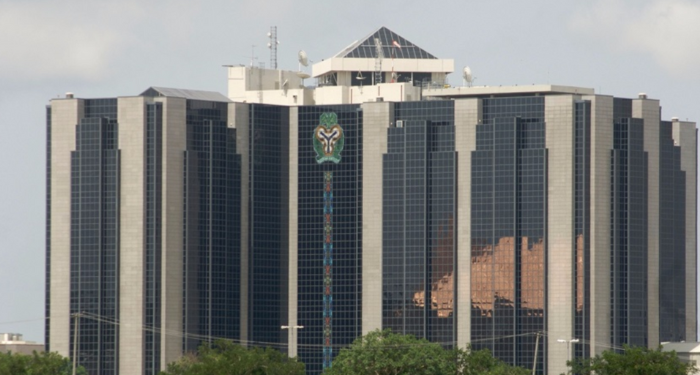
The Monetary Policy Committee (MPC) of the Central Bank of Nigeria (CBN) on Tuesday, February 24, reduced the Monetary Policy Rate (MPR) from 27 percent to 26.5 percent.
Olayemi Cardoso, CBN governor, announced the rate adjustment during the committee’s 304th meeting in Abuja, noting that the rate cut is the lowest since May 2024, when the interest rate stood at 26.25 percent.
The MPR is the baseline interest rate in an economy, and other interest rates used within the economy are built on it.
The MPC’s decision follows a drop in Nigeria’s inflation rate to 15.10 percent in February.
It also comes six months after the MPR was cut to 27 percent in September 2025.
Cardoso said the committee members unanimously voted to reduce the rate by 50 basis points from 27 percent to 26.5 percent, while other facilities remained unchanged.
He said, “The Cash Reserve Ratio (CRR) is retained at 45 percent for Deposit Money Banks (DMBs) and 16 percent for merchant banks respectively, and 75% for non-treasury single account public sector deposits.
“Liquidity ratio (LR) remained unchanged at 30 percent and the asymmetric corridor retained by +50/-450 basis points around the MPR.
“The committee’s decision was premised on a balanced evaluation of risks to the outlook, which suggests that the ongoing disinflation trajectory would continue.
“The sustained deceleration in year-on-year headline inflation in January 2026 marks the 11th consecutive month of decline.”
Looking ahead, Cardoso said the committee believes that the disinflation momentum is expected to continue, underpinned by exchange rate stability and improved food supply.
However, he warned that increased fiscal releases, including election-related spending, could pose upside risks to the inflation outlook.
The CBN governor further said there were notable improvements in the external sector, with gross external reserves rising to $50.45 billion as of February 16, the highest in 13 years.
“The committee particularly noted the remarkable performance of Nigeria’s external sector, evidenced by robust accretion to foreign exchange reserves, supported by higher export earnings and increased remittance inflows,” he said.
Cardoso said this was possible due to Foreign Exchange (FX) stability, robust capital inflows, and a stronger balance of payments.
The CBN governor added that this has also helped anchor expectations and supported the disinflation trend.
The next MPC meeting is scheduled for May 19 and May 20.




Comments