
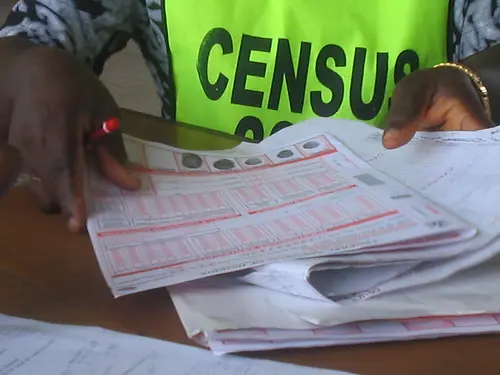
The Chairman of the National Population Commission, NPC, Nasir Kwarra, has revealed plans to carry out Nigeria’s population and housing census in 2025.
This will mark the first census in nearly 20 years, with the last conducted in 2006.
Kwarra shared this update on Thursday, November 28, at the 2024 commemoration of the Nairobi Summit on the International Conference on Population and Development, held in Abuja.
“A major setback that we face is the delay in conducting a Population and Housing Census. A reliable and accurate census is fundamental for a good decision making.
“But the government, at the highest level, is committed to conducting a census, and we believe it will take place next year,” he said.
The announcement comes 18 years after Nigeria last conducted a census in 2006, despite the United Nations’ recommendation for population counts every decade.
Efforts to hold the census in 2023 were postponed under former President Muhammadu Buhari’s administration to allow the incoming government to take charge of the process.
Speaking at the event, NPC Chairman Nasir Kwarra underlined the consequences of the delay, particularly its negative effects on informed policymaking and equitable resource distribution.
He also stressed the importance of accurate data for addressing critical issues in underserved and rural communities, noting that the absence of timely censuses has impeded progress in sexual and reproductive health rights, combating gender-based violence, and fostering inclusivity.
The NPC boss stated, “We are gathered in the spirit of a shared commitment to progress, inclusivity, and the empowerment of individuals, particularly women and young people.
“Our focus is on advancing sexual and reproductive health, eliminating gender-based violence, and promoting equal opportunities for everyone in our nation.
“We must continue our march to address these challenges head-on. For many in our communities—particularly women, girls, and young people—sexual and reproductive health rights remain out of reach.
“This is not just a health issue; it is also an issue of social and economic justice. When individuals are denied the ability to make choices about their health and lives, it limits their potential, reduces opportunities, and impacts society as a whole.”




Comments