
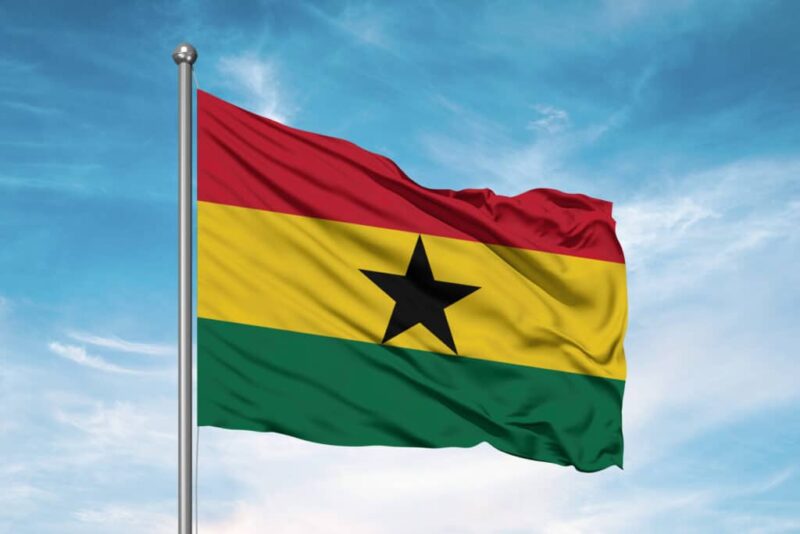
Ghana on Thursday, February 26, launched a licensing regime for the cultivation and management of industrial and medicinal cannabis.
The program, announced by the interior minister Muntaka Mohammed-Mubarak, allows individuals and companies to apply for permits covering cultivation, processing, research, laboratory testing, storage, transportation, and import/export.
Licensed cannabis is restricted to varieties containing no more than 0.3% Tetrahydrocannabinol (THC).
Officials say the initiative aims to support production of industrial fibers, seeds, and pharmaceutical products while maintaining regulatory oversight.
The program faces legal scrutiny.
Mariam Alhassan, a farmer from Techiman, filed a suit at the supreme court of Ghana, challenging the system as unconstitutional.
She claims the framework’s irrational design, exclusionary economic effect, and disproportionate exercise of administrative discretion effectively blocks smallholder farmers from participating.
Alhassan also argues authorities acted unfairly by imposing materially higher fees without a tiered licensing structure.
Proposed fees range between $5,000 and $42,000, depending on the type of operation.
The supreme court case introduces uncertainty around Ghana’s emerging hemp industry, a potential driver of agricultural exports and investment.




Comments