
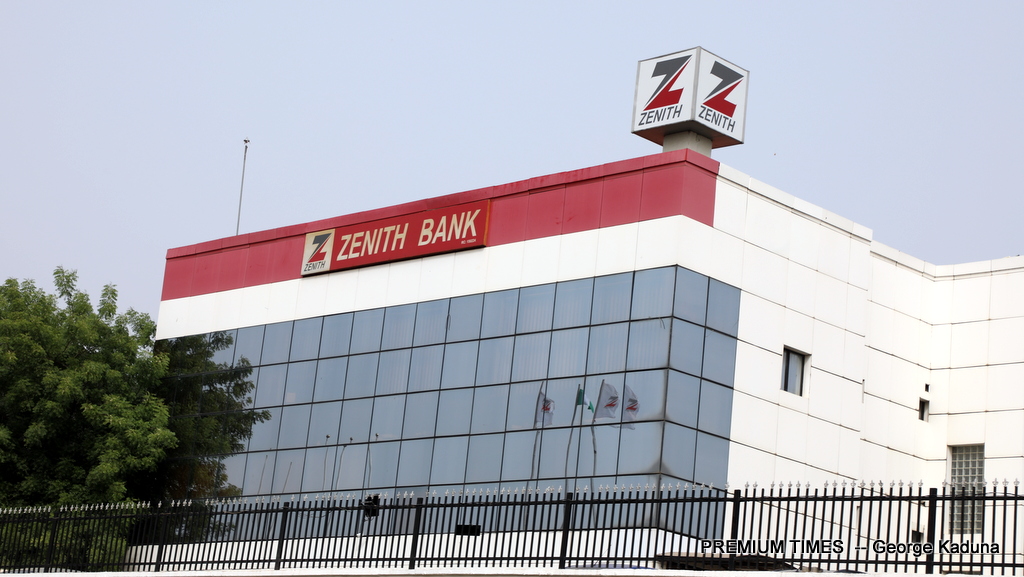
In 2024, nine leading Nigerian banks collectively earned N14.26 trillion in interest income, marking a 119.55 percent increase from N6.49 trillion in 2023.
This surge resulted from higher interest rates driven by the Central Bank of Nigeria’s, CBN, monetary tightening to control inflation, which pushed the Monetary Policy Rate from 18.75 percent to 27.50 percent by year-end.
Access Holdings, Zenith Bank, and First HoldCo were among the top earners, with First HoldCo recording the highest growth percentage (155 percent).
While banks celebrated record profits, the real economy, especially manufacturers, suffered under soaring borrowing costs.
The Manufacturers Association of Nigeria, MAN, revealed that firms spent N1.3 trillion on interest payments in 2024, alongside N1.2 trillion on energy, severely impacting competitiveness. Manufacturers decried loan rates of up to 37 percent, with calls for long-term, affordable funding solutions.
Critics argue that Nigeria’s current financial model prioritizes bank profits over economic growth, as banks benefit from risk-free government securities and lend primarily to large borrowers at high interest rates.
This has resulted in a credit crunch, particularly affecting SMEs and farmers, who are key to job creation and food security. With over 133 million Nigerians living in multidimensional poverty, access to affordable financing remains crucial.
Experts warn that this imbalance threatens economic diversification and inclusive growth. Food inflation has surpassed 35 percent, driven by declining agricultural productivity due to lack of credit for smallholder farmers.
As banks thrive, the productive sectors of the economy face increasing financial exclusion, raising concerns about long-term sustainability.
Overall, the booming interest income for banks contrasts sharply with the struggles of manufacturers and small businesses, highlighting a deep disconnect between Nigeria’s financial sector and its real economy.



Comments