
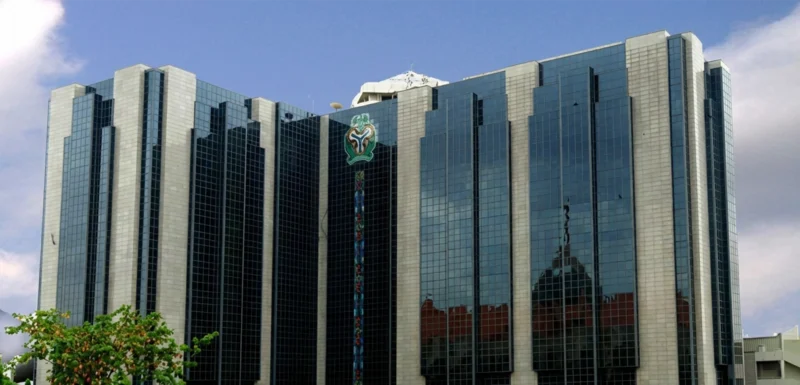
The Central Bank of Nigeria (CBN) on Thursday, July 23, announced that Nigeria’s broad money supply increased to N133.25 trillion in June 2026, up from N129.21 trillion in May, despite the apex bank maintaining a benchmark interest rate at 26.5 per cent.
This underscores continued growth in liquidity even amid the country’s tight monetary policy stance.
By implication, businesses and households had more money to spend and invest in June than in May.
The data, released by the CBN, shows a N4.04 trillion month-on-month increase, signalling that liquidity in the economy continued to expand, driven mainly by higher domestic assets and growth in quasi-money.
Broad money is a comprehensive measure of the total money supply in an economy.
It includes physical cash and highly liquid “narrow money”, alongside less liquid assets such as savings accounts, time deposits, and money market funds that can be quickly converted into cash.
Quasi-money, which consists largely of savings and time deposits, increased to N88.54 trillion from N84.58 trillion, while demand deposits edged higher to N39.78 trillion from N39.43 trillion.
Meanwhile, currency held outside the banking system declined to N4.92 trillion, compared with N5.19 trillion in the previous month, suggesting more cash remained within the formal banking system.
Further analysis of the statistics showed that net domestic assets rose 4.37 per cent, increasing from N102.26 trillion in May to N106.73 trillion in June.
In contrast, net foreign assets slipped 1.56 per cent, falling from N26.95 trillion to N26.53 trillion over the same period.
Overall, broad money supply expanded 3.11 per cent month-on-month, reflecting the continued increase in liquidity despite the CBN’s tight monetary policy stance.
The increase in money supply comes as the CBN continues to balance liquidity management with efforts to curb inflation and preserve macroeconomic stability.
The latest figures follow the CBN’s decision to retain the Monetary Policy Rate (MPR) at 26.5 per cent at the Monetary Policy Committee meeting held this week.
The committee also left all other monetary policy parameters unchanged, arguing that maintaining a tight policy stance would help sustain the disinflation process and support macroeconomic stability.





Comments