
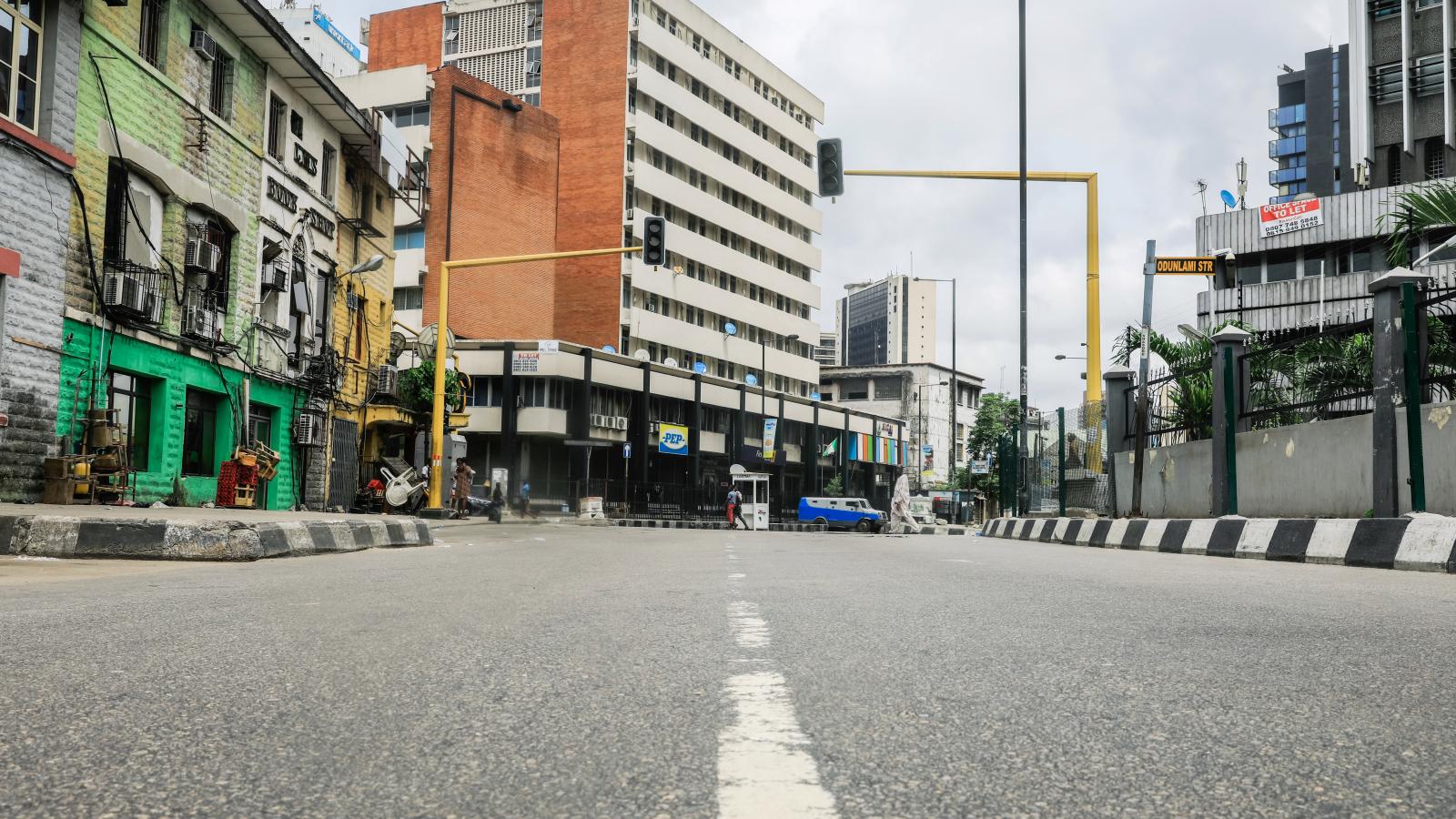
Commercial activities are sluggishly returning to Onitsha the commercial city and Nnewi the industrial town of Anambra State as uncertainty still surrounds the Indigenous People of Biafra, IPOB’s suspended sit-at-home order.
Vanguard reports that markets in Onitsha, particularly Onitsha Main Market, Ochanja Central Market and Relief Market, which is famous for the sale of provisions, threw their doors open but there were no traders and customers to transact business with them.
In Nnewi however, none of the markets opened for business, but most industries and companies opened for business with their gates locked.
All banks in the two Anambra business towns were under lock and key just as were the government offices located in them.
Commercial bus and tricycle operators were sighted on the roads in Onitsha moving round the town with few passengers occupying them, while many private vehicles were equally sighted moving unhindered in Onitsha.
At Upper Iweka to Niger Bridge Head, there was skeletal movement of vehicles particularly tankers and other articulated vehicles and commercial buses and tricycles.
But all the transport companies located at Upper Iweka were not operating probably because of lack of passengers.
There was no security agents around Onitsha metropolis, the popular Upper Iweka and the Niger Bridge Head, which is the entry and exit point from Onitsha to Delta, Edo and other South-West states.
Meanwhile, some traders in Anambra state have said that they are comfortable with the sit-at-home situation because they have converted Monday to their new weekend.
They added that they now use Saturday and Sunday to do all necessary business transactions, including way-bills to their customers in and outside the state, and use Monday to rest.
One trader said that some of the markets are fully opened on Sundays since the Monday weekly sit-at-home commenced, and they now do all their business transactions, association and village meetings and use Monday to rest.
Another trader said, “If you have been going to Churches on Sundays, particularly Catholic and Anglicans whose peak of religious activities are on Sundays, you will notice that the attendants have reduced drastically.
“That is because the traders and importers do their goods offloading waybills and retail sales on Saturday and Sundays and now rest on Mondays.”
Another trader said that before, many traders in Onitsha do all their washing, including cars on Sundays and attend some public meetings and outings.
But since the Monday weekly sit-at-home, they now also go to market on Sundays and use Monday to rest, saying that Monday has now turned to a rest day in Onitsha and Nnewi for traders and other businessmen, including artisans.






Comments