
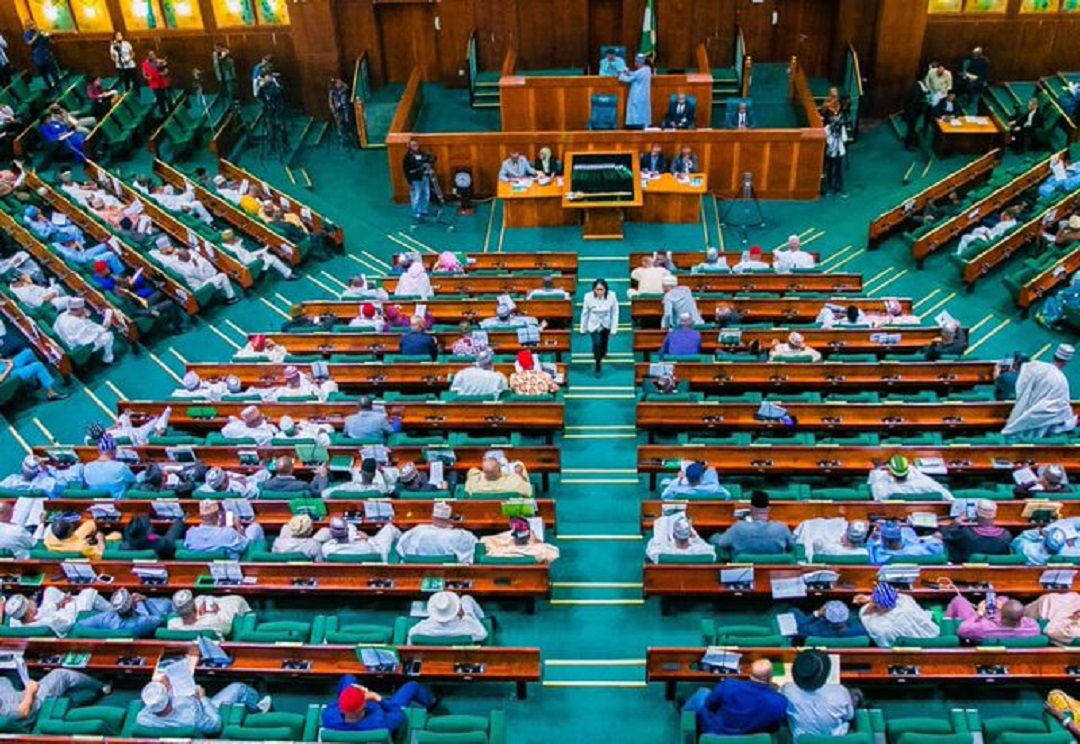
The House of Representatives on Thursday, October 31, resolved to conduct a thorough audit of all loans taken by federal and state governments since Nigeria’s return to democracy in 1999.
Over the past 25 years, the nation has been under democratic leadership with five presidents—Olusegun Obasanjo, Umaru Yar’Adua, Goodluck Jonathan, Muhammadu Buhari, and the current President, Bola Tinubu.
During this period, billions of dollars were borrowed to finance development projects, and each of the 36 states also accrued both foreign and domestic debt.
The House’s decision to scrutinize public loans came after adopting a motion put forward by Lanre Okunola, the representative for Surulere II Federal Constituency in Lagos State.
The motion, titled “Need to Ensure Proper Public Debt Oversight on Federal and State Government Loans and the Proper Utilisation of All Borrowed Funds,” aims to ensure transparency and accountability in how these funds have been utilized.
Citing data from the Debt Management Office, Okunola said, “Nigeria’s public debt profile, including external and domestic debts, recently released indicate that as of March 31, 2024, public debt in the country has grown significantly over the years at N121.67 trillion ($91.46 billion) with loans sourced from domestic and international lenders by the federal and state governments to fund various projects and budget deficits.”
He cited the same report, which showed that the nation’s debt increased by ₦24.33 trillion in just three months, rising from ₦97.34 trillion ($108.23 billion) in December 2023 to ₦121.67 trillion ($91.46 billion).
The lawmaker observed that while borrowing is essential for financing development, an unchecked rise in debt levels poses serious risks to Nigeria’s fiscal stability and long-term economic growth.
He emphasized that the 1999 Constitution, the Fiscal Responsibility Act of 2007, and the Debt Management Office Establishment Act of 2003 authorize the National Assembly to approve government loans and ensure their responsible use.
Additionally, he pointed out that over 40 percent of developing nations, including Nigeria, now allocate more resources to debt servicing and repayment than to essential sectors like education, healthcare, infrastructure, and social policy, leading to inefficiencies in government finances and undermining critical areas of the economy.
“Many loans from state governments are drawn from commercial banks and certified by the Federal Ministry of Finance are contracted without full compliance without full compliance with constitutional requirements for National Assembly approval,” Okunola said.
“Additionally, there are instances where borrowed funds are not effectively utilised for their intended purposes, undermining the benefits of such loans to the citizens.”
With broad support from its members, the House directed its Committee on Aids, Loans, and Debt Management to conduct a comprehensive audit and review of all loans secured by federal and state governments since the start of the current democratic era. The committee is to report back within one month for further legislative action.


Comments