

The Nigerian National Petroleum Company Limited, NNPCL, on Tuesday, October 29, announced a price adjustment for Premium Motor Spirit, PMS, commonly known as petrol, raising the pump price in Abuja from N1,030 to N1,060 per litre.
In Lagos, the price increased from N998 to N1,025 per litre. This marks the third price hike within a two-month span, drawing significant criticism from the Organised Private Sector, Civil Society Organizations, and the general public.
Concerns are growing that these increases could exacerbate inflation, which had already reached a 28-year high of 34.2 percent in June.
The price adjustments come in the wake of ongoing debates regarding the importation of petrol despite local production capabilities, particularly by the newly inaugurated Dangote Petroleum Refinery in Lekki, Lagos.
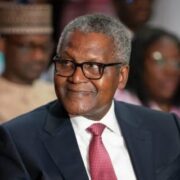
Aliko Dangote, the President of Dangote Group, expressed frustration over the continued reliance on imported petrol during a meeting with President Bola Tinubu.
He stated, “I have a refinery; I’m not in the retail business. Retailers should come forward and pick petrol from my facility. If they don’t, what do you want me to do?” Dangote emphasized the need for the NNPCL and oil marketers to cease imports and utilize domestically produced petrol.
The recent price changes, which reflect the government’s deregulation policy allowing prices to vary based on supply and demand, have resulted in a N30 increase in Abuja and a N27 increase in Lagos. This pattern of price hikes follows previous increases in September and October, where the price rose from N617 to N897 and then to N1,030 within two months.
Since the elimination of fuel subsidies in May 2023, the NNPCL has progressively increased petrol prices, culminating in the latest adjustments.
Interestingly, analysts are questioning the rationale behind the latest price increase, especially given that crude oil prices in the international market have fallen by approximately eight percent, dropping from $78 to $72 per barrel.
The Petroleum Retail Outlets Owners Association of Nigeria, represented by President Billy Gillis-Harry, described the situation as dire, urging the government to negotiate a proposed N100 billion package to stabilize petrol prices.
While there has yet to be an official confirmation from the NNPCL regarding the recent price hikes, Joseph Obele, the National Publicity Secretary of the association, revealed that members had been purchasing petrol from NNPCL at rates ranging from N1,020 to N1,040 before the new increases. He noted that while the price had not yet been officially updated on the purchasing portal, there are indications that further price adjustments may be forthcoming.
The recent adjustments in petrol prices have sparked widespread concern and criticism, particularly regarding their potential impact on inflation and economic hardship in Nigeria.

Comments