
The Nigerian Institute of Leather and Science Technology (NILEST) has announced that it is working on a plan to set up mini tanneries or factories in every state across the country to process hides and skins into leather.
Mohammed Yakubu, Director-General of NILEST made this known on Sunday, November 10, in Abuja.
Yakubu, emphasized the need for additional tanneries to ensure the availability of proper infrastructure and technology for efficient leather processing.
He stated that leather is a valuable national resource with the potential to generate significant foreign exchange and create widespread employment opportunities.
“Nigeria has a strong history in leather production. At one point, we had 84 leather industries, some of which even had branches in Italy and Spain.
“The Nigerian leather industry once had a presence in Europe, and our goal is to restore that.”
The Director General (DG) explained that the collapse of the leather industry was largely due to inadequate infrastructure.
As a result, both the institute and the policy implementation committee will continue to urge the federal government to offer concessions, particularly in the provision of affordable power, to help the industry recover.
“It is not the issue of technology because NILEST is providing all the technical requirements for the Nigerian tanneries and Nigerian leather industry to make an impact in the world, he said.
“We don’t lack the necessary resources, but rather, it’s the poor infrastructure holding us back, especially the power supply, which accounts for over 50 percent of our production costs.”
He emphasized that for Nigeria to compete with countries like China, Brazil, or India in the leather industry, there needs to be a reliable and affordable energy supply.
“Concessions are essential. We must ensure a cheap and consistent power supply to our industries, particularly the leather sector, so they can effectively compete with their international counterparts,” Yakubu stated.
Yakubu also highlighted that the creation of mini tanneries would help reduce the consumption of hides and skins in the country.
This practice has been widespread due to the insufficient number of industries capable of absorbing the excess hides and skins produced daily.
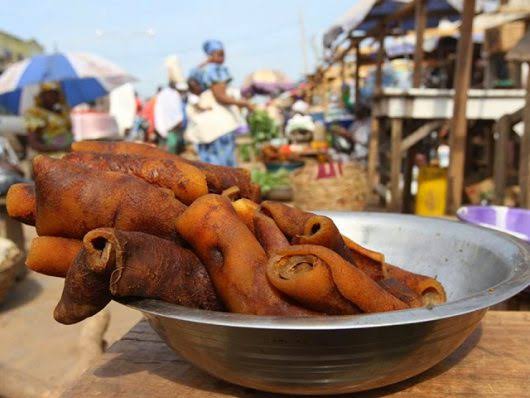
Locally known as ‘ponmo’, animal skin has become a common food item.
“We are consuming the hides and skins as ponmo because, without it, the existing industries cannot process all the hides and skins produced in Nigeria,” the DG explained.
In Lagos State alone, approximately 100,000 cows are slaughtered daily, yet there are only 48 industries capable of purchasing and processing the hides to convert them into leather.
Yakubu suggested that by lowering production costs, more industries would emerge to meet the demand.
“The primary issue is power. In my view, taxes are a secondary concern, he stated.
“What truly matters is creating jobs for our large youth population and attracting foreign exchange. Therefore, any concessions offered to industries will never be in vain.
“Regarding the leather policy, we are urging the government to address the power issue for our processing industries in Nigeria. Without resolving this challenge, it will be difficult for these industries to revive.
“That’s why we are working on establishing mini tanneries across the country, and our campaign to reduce the consumption of Kpomo has gained significant traction.
“We understand that if people stop consuming Kpomo, those who rely on selling it will be out of business.
“Therefore, in the meantime, we, as an institute, plan to set up mini tanneries across Nigeria. These will allow us to buy the hides and skins, process them into leather, and then export the finished leather.”
Yakubu further explained that each of the mini tanneries would process between one to five tonnes of leather per week, particularly from clusters where viable products can be made.






Comments